
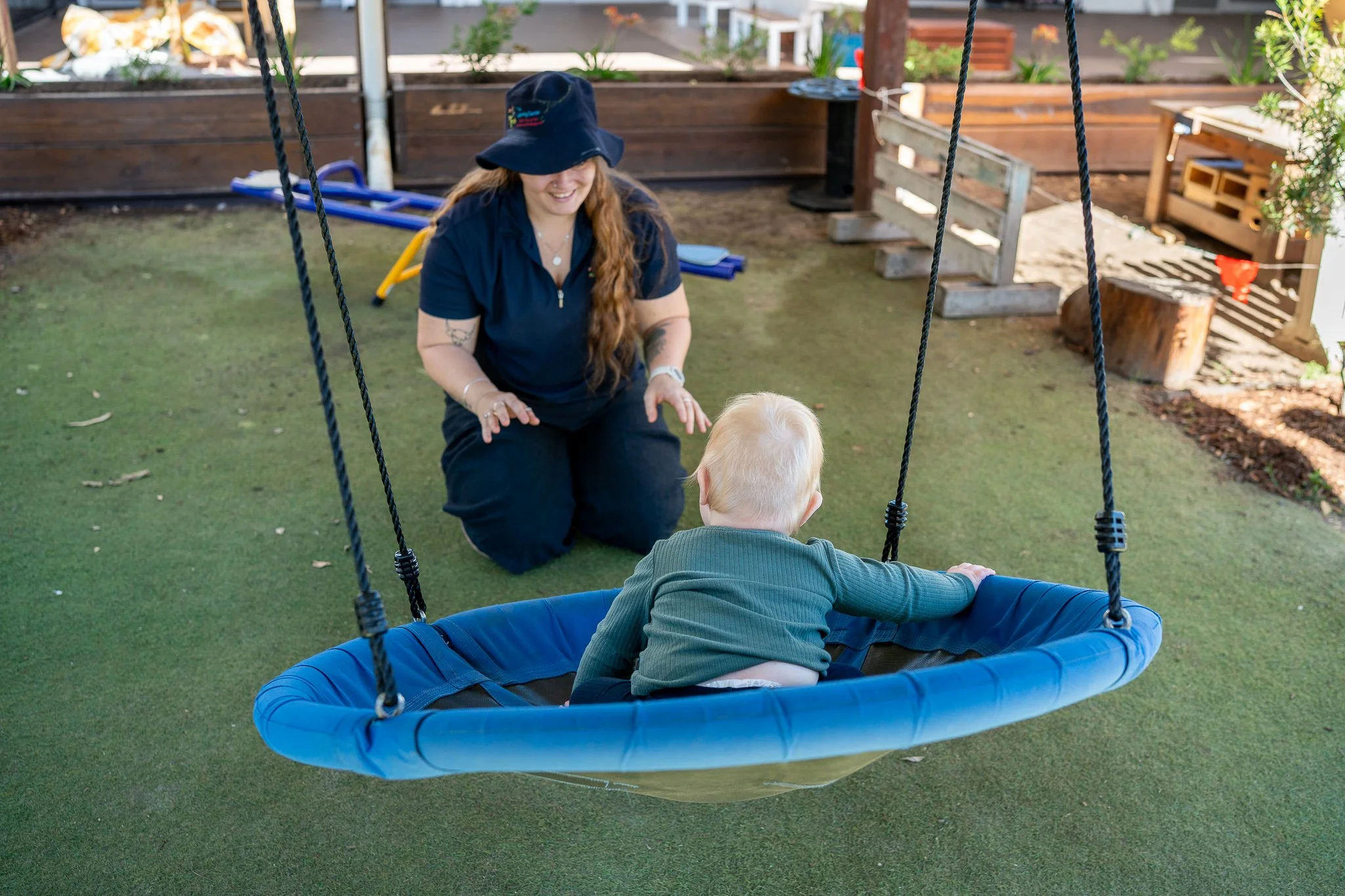
Safe, seen and respected, every child, every day
Child safety at The Learning Garden is not a document reviewed once a year. It is the culture — embedded in how we recruit, how we supervise, how we communicate and how we show up for children every single day.
Health & Safety
What this looks like in practice
First aid
All educators hold current first aid, CPR and anaphylaxis certifications. Qualified first aiders are present at all times during operating hours.
No phones policy
No personal phones or smart watches while working with children. Educators are fully present — not managing a screen.
Illness management
We follow Queensland Health exclusion guidelines. Families are contacted promptly when a child becomes unwell. We ask that sick children stay home to protect the whole community.
Cleaning and hygiene
Rigorous cleaning routines run throughout the day across all areas — studios, bathrooms, kitchen, rest areas and outdoor spaces.
Medication and health plans
Children with medical conditions have individual health management plans developed in partnership with families prior to starting care.
Ethical photography
Identifiable images of children's faces are never shared on any digital platform. We document learning, not faces. Children's privacy and dignity are protected as a matter of policy.
Supervision and ratios
We meet all ratios required under the National Law. Active supervision is maintained across all spaces, supported by CCTV throughout the centre.
Safe recruitment
Every educator is screened before working — verified Working With Children Checks, behaviour-focused interviews, thorough reference checks and a full safeguarding induction.
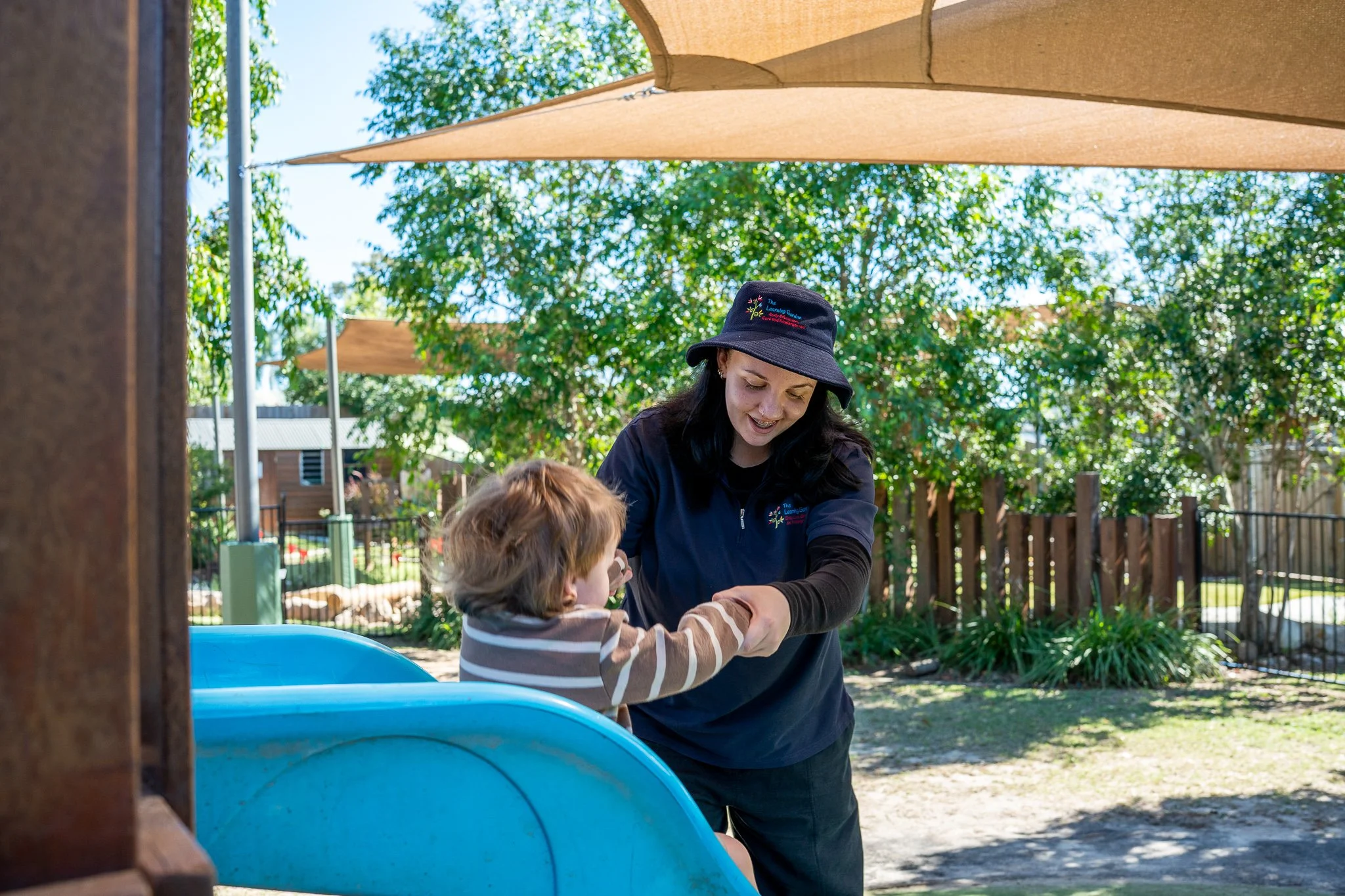
Ongoing safety training,
not just annual tick-boxes
All educators complete GECCO Child Protection Training and Safe Hands training annually, alongside regular team conversations about child protection responsibilities, professional boundaries and safeguarding culture.
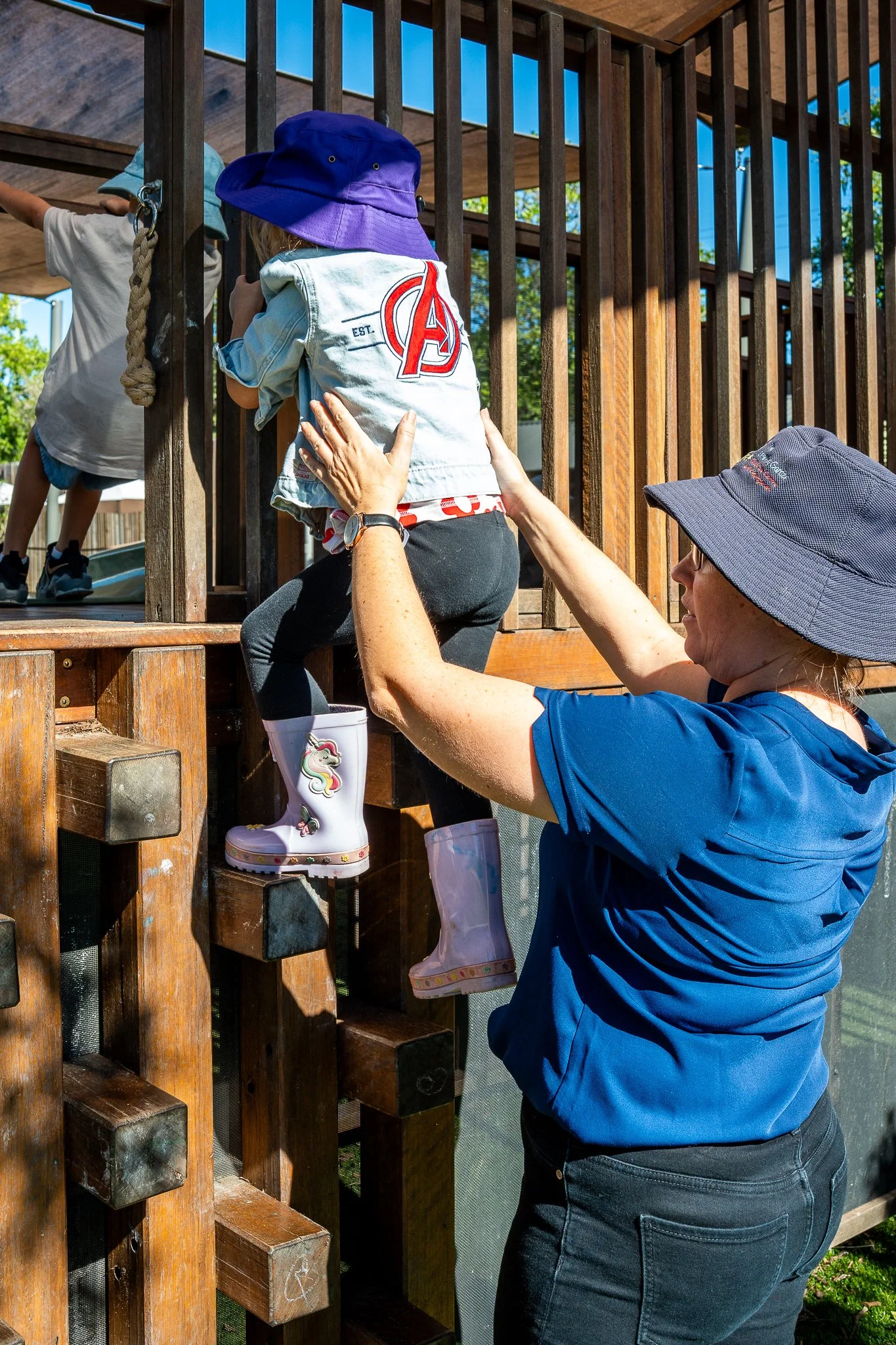
Fully compliant, independently assessed
The Learning Garden operates under the Education and Care Services National Law and is assessed under the National Quality Standard (overall rating: Meeting National Quality Standard, and Exceeding in Educational Program and Practice).
Our practices across child safety, staffing, health and physical environment are subject to regular independent assessment by the Department of Education.
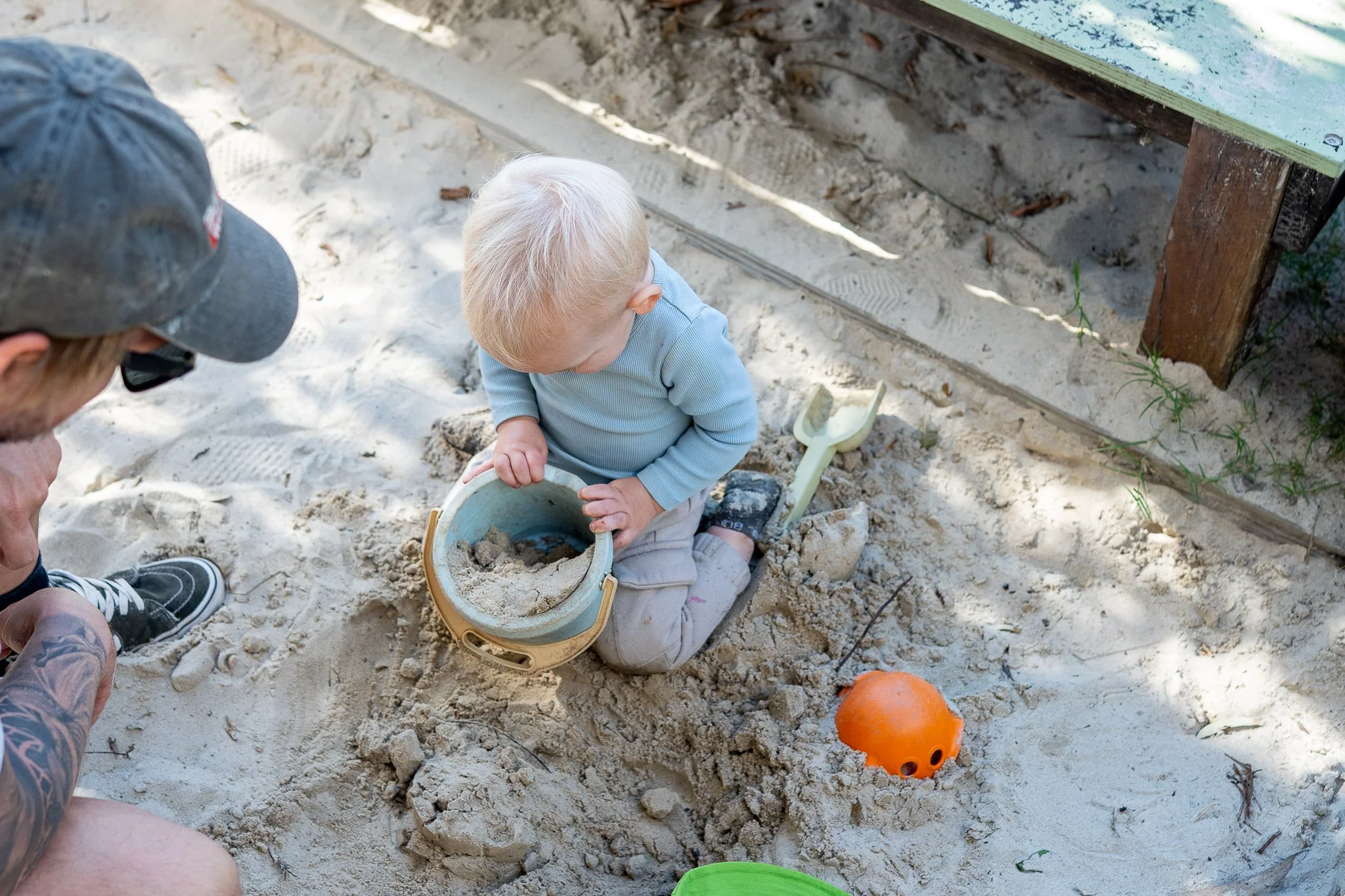
Children who know their rights are safer children
We also introduce age-appropriate conversations about body safety, consent and personal boundaries, helping children develop the language and confidence to speak up if something doesn't feel right.
Educators listen carefully and respond with genuine care.